


Create an Autumn Perfume at the Studio des Fragrances: Seasonal Notes to Inspire Your Fragrance
Written on 15 October 2026


The return of autumn brings familiar little rituals we look forward to: pulling on our first soft knits, taking walks as the leaves change colour, enjoying hot drinks scented with spices… The now-ubiquitous pumpkin spice latte has almost become a symbol of the season. Cinnamon, gourmand notes and comforting sensations signal a change in atmosphere.
What if this season were also an opportunity to create an autumn perfume that truly reflects who you are?
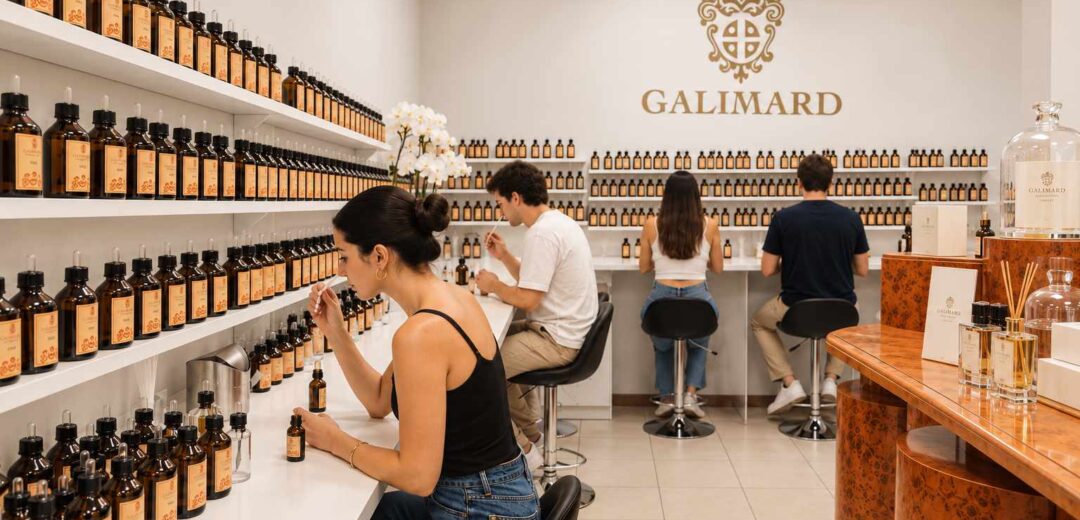
In Grasse, Èze-Village and Paris, our Studio des Fragrances invites you to experience fragrance creation in a new way. At the perfumer’s organ, raw materials become a language of their own: some bring freshness, others character, warmth, depth or an almost tactile sensation.
Autumn offers a wonderful canvas for self-expression. Sandalwood, tonka bean, vanilla, cardamom, pink pepper, saffron, dried fruits, fig and even forest-floor notes can inspire very different compositions, from a luminous woody perfume to a warm, enveloping amber scent.
What Is an Autumn Perfume?
There is no single formula that defines an autumn perfume. In perfumery, a season is above all a source of inspiration.
As temperatures fall, we may naturally gravitate towards scents that feel more enveloping than those we wear in the height of summer. Woods, spices, amber and gourmand facets then find their place with ease.
But creating an autumn perfume does not necessarily mean composing a heavy or very sweet fragrance. A seasonal fragrance can remain fresh, airy and luminous while gradually revealing a warmer base.
That is the beauty of bespoke perfume creation: starting with a particular atmosphere, then adapting it to the person who will wear the fragrance.
Some will picture a walk through damp woodland. Others will prefer the idea of a warm cup of tea with spices and fruit. Still others will seek something especially elegant, built around iris, sandalwood and musks.
Which notes should you choose for an autumn perfume? The answer depends less on trends than on the emotion you wish to evoke.
Understanding Top, Heart and Base Notes Before Creating Your Perfume
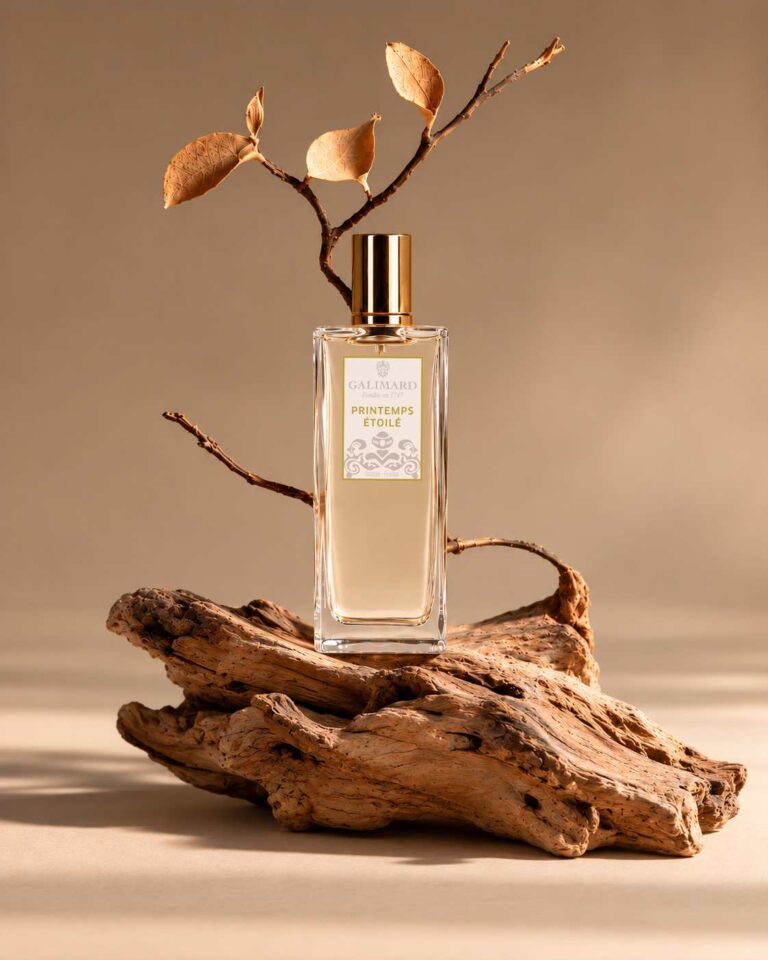
Composing a fragrance is not simply a matter of combining several scents we enjoy individually. The aim is to create balance and a sense of evolution.
A perfume gradually reveals itself on the skin through different layers of notes.
Top Notes: Setting the Tone for the Fragrance
Top notes are the scents we notice immediately. They provide the composition’s opening impression.
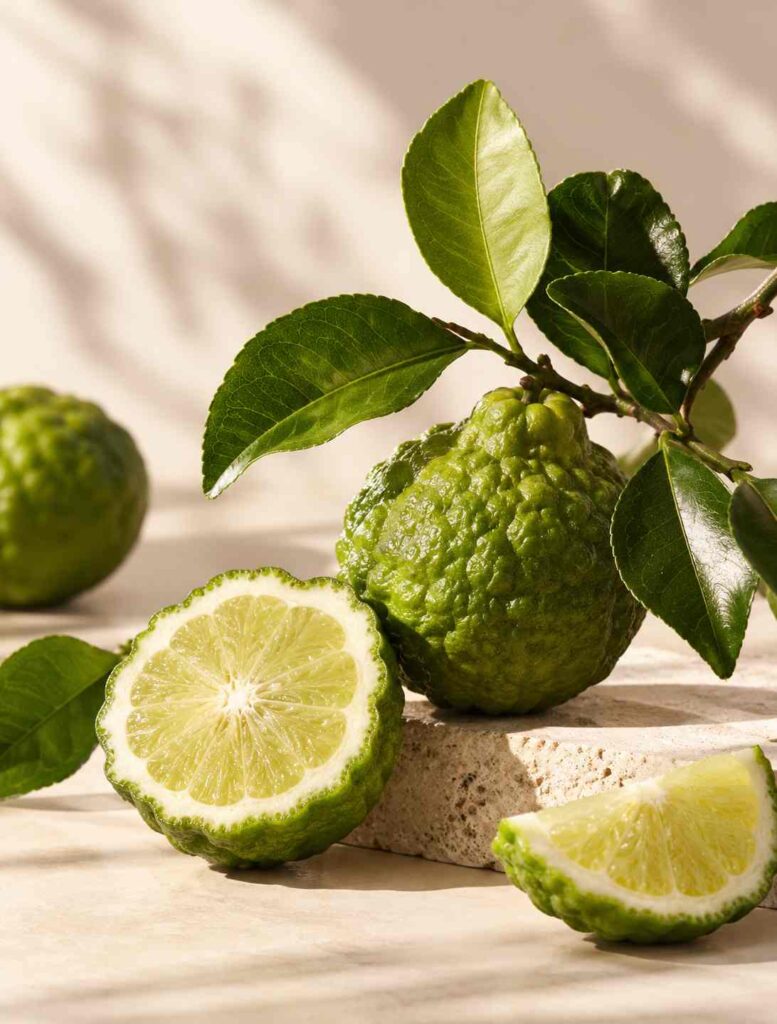
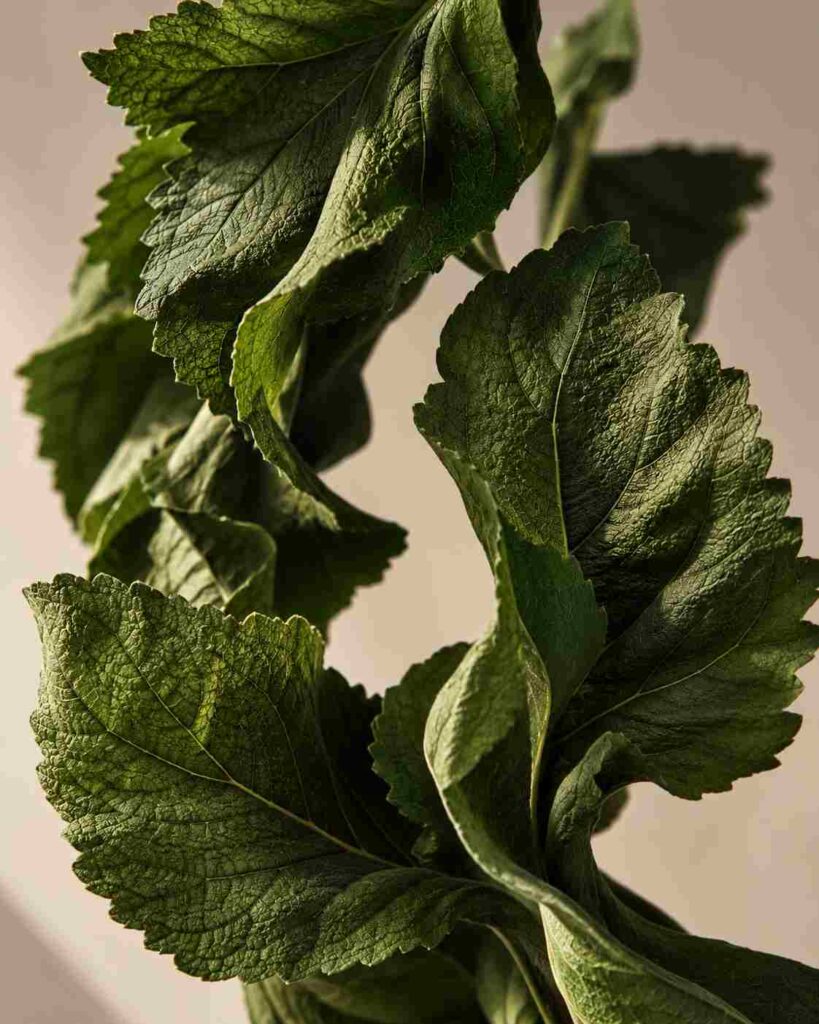
For an autumn perfume, we can retain freshness through notes such as bergamot, mandarin, bitter lemon or grapefruit, then give them more character with cardamom, pink pepper or clary sage.
This contrast is particularly interesting. For example, lively bergamot paired with vibrant pink pepper helps prevent a woody or vanilla-based composition from feeling too dense from the very first moments.
English tea can also lend a softer, more understated elegance, particularly suited to the mood of autumn.
Heart Notes: Shaping the Fragrance's Personality
Heart notes emerge after the initial impression. They form a large part of a perfume’s identity.
This is where autumn can truly begin to express itself.
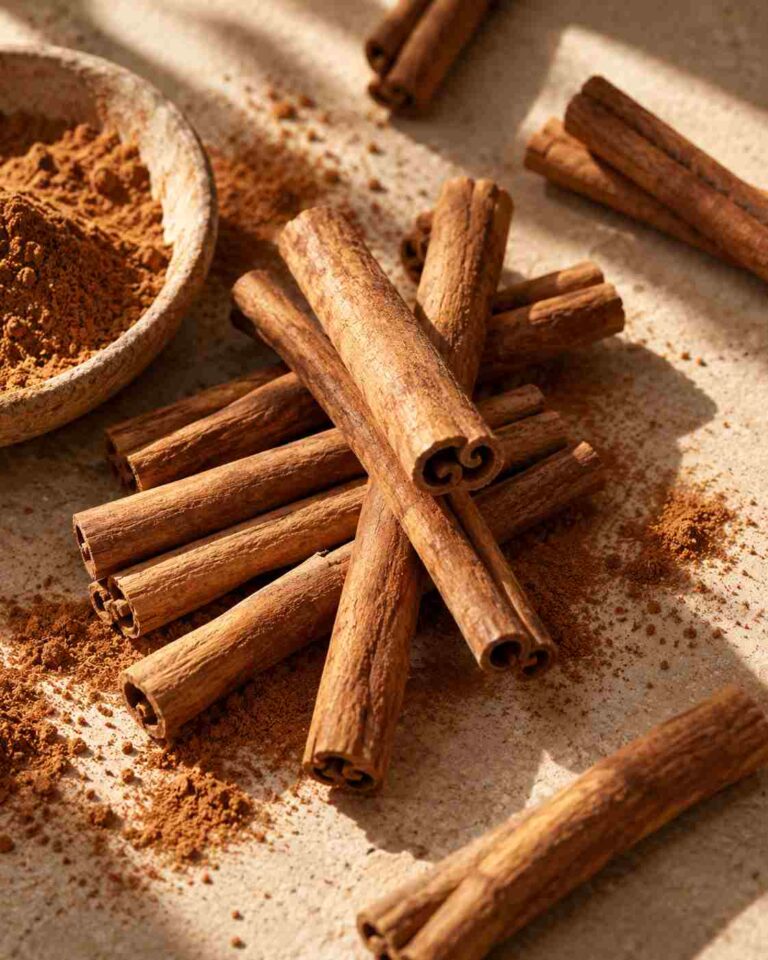
A cinnamon note immediately brings a warm, spicy facet. Ginger can add more energy, while saffron lends a more distinctive, sophisticated character.
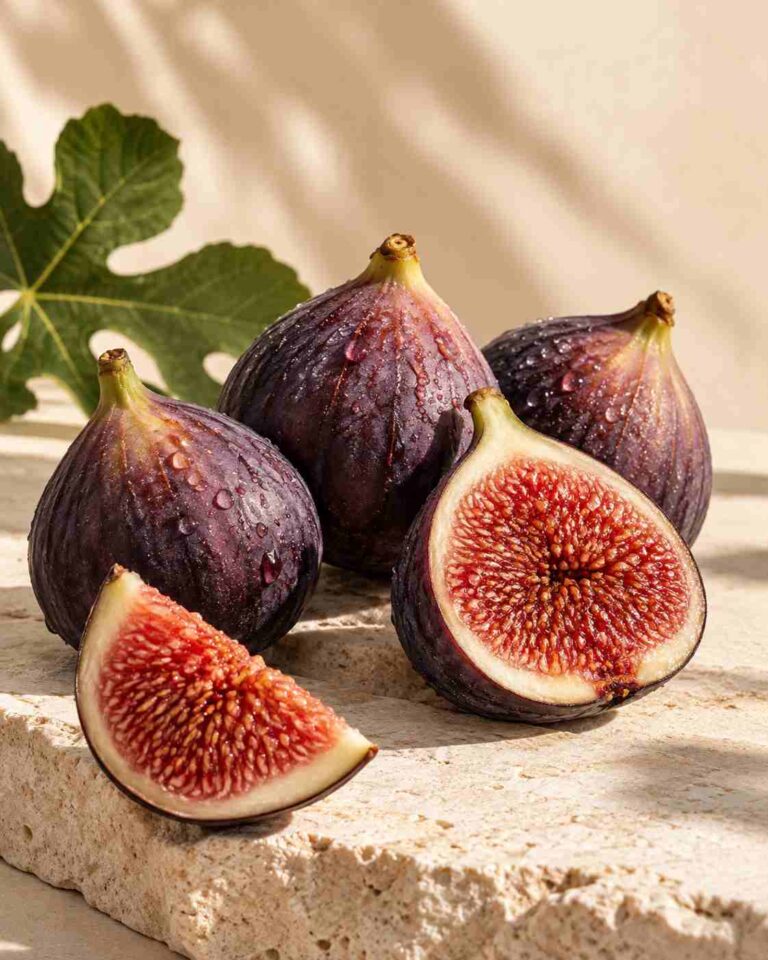
For a fruitier creation, fig and plum can suggest richness without necessarily making the perfume overly gourmand.
A tobacco note opens up another direction altogether. Paired with woods or tonka bean, it can create a deeper, more elegant and enveloping composition.
Base Notes: Making Warmth Linger on the Skin
Base notes give the fragrance depth and contribute to its longevity and trail.
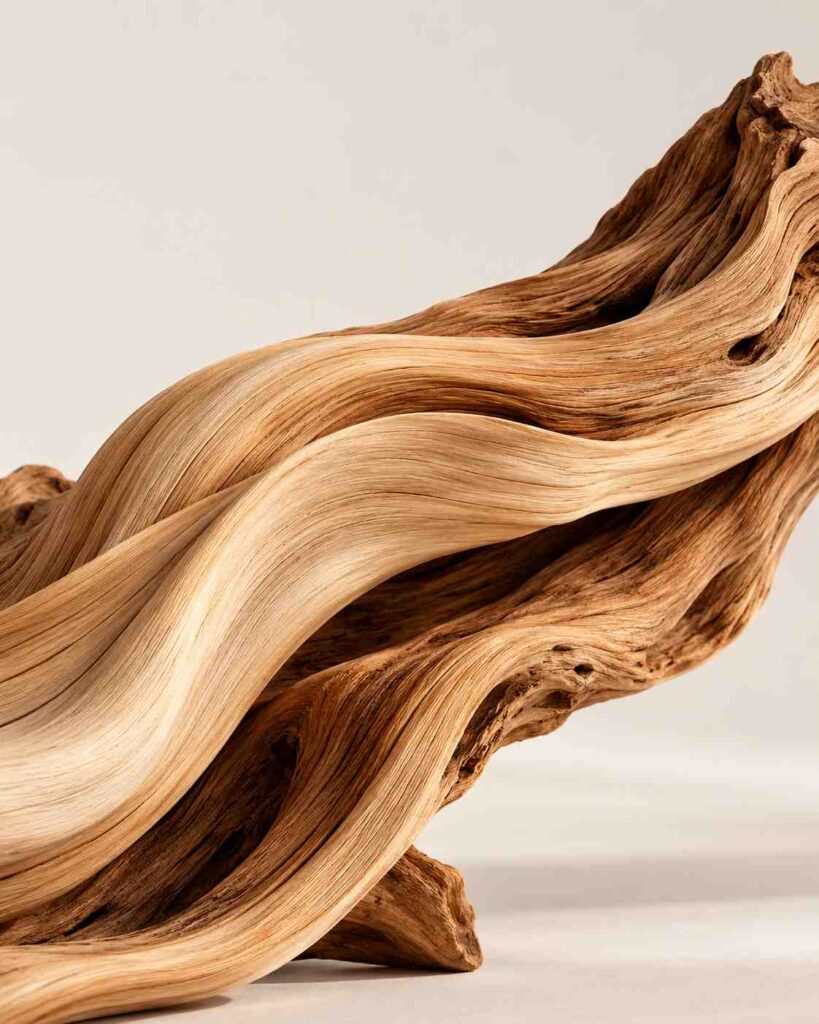
To evoke autumn, the perfume organ offers particularly interesting raw materials to explore, including tonka bean, vanilla, sandalwood, amberwood, patchouli, vetiver, opoponax, dried fruits, forest-floor notes and leather.
Each tells a different story.
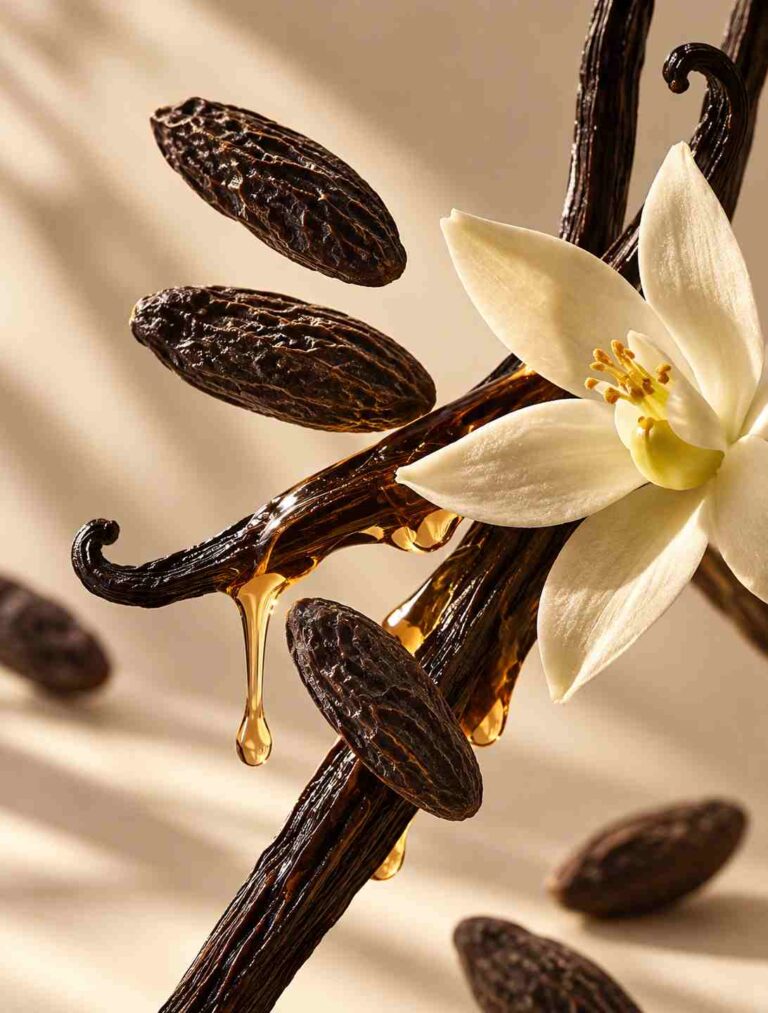
Vanilla is not only there to make a fragrance sweet. When skilfully blended with woods, it can simply add softness and roundness.
Tonka bean also has the ability to make a composition more enveloping. Sandalwood creates a gentle, creamy sensation, while patchouli or vetiver give the perfume more structure.
Forest-floor notes, mosses and lichen can evoke a damper, greener landscape: fallen leaves, bark, earth and woodland walks all become sources of olfactory inspiration.
Which Fragrance Combinations Are Especially Evocative of Autumn?
You do not need to multiply the ingredients to create an evocative composition. In perfumery, a few well-chosen, harmonious notes can be far more interesting than simply piling on seasonal scents.
A Warm, Spicy Perfume
To capture the world of autumn spices without creating an overly gourmand fragrance, we might imagine a fresh opening of bergamot or mandarin, lifted by cardamom or pink pepper.
Cinnamon or ginger can then emerge in the heart before giving way to a base of tonka bean, sandalwood and vanilla.
The balance of ingredients is essential here. Cinnamon has a highly recognisable identity: rather than making it the dominant note, we can use it to warm the entire composition.
A Woody Perfume Inspired by a Walk in the Forest
How can you create a perfume that smells of autumn and woodland? We can work with several layers rather than trying to reproduce a single forest scent.
Green top notes can introduce the composition. The heart may develop towards woody pine, while the base can bring together forest-floor notes, moss, lichen, bark, patchouli, vetiver or sandalwood.
The result can feel very natural, yet also highly elegant when these facets are balanced with a soft musk or a brighter note.
The perfume does not literally recreate a forest: it captures the impression of one.
A Gourmand Perfume That Is Not Too Sweet
Gourmand scents are often associated with autumn. But how can you create an elegant gourmand perfume without making it too sweet?
It is all a question of balance.
Our perfume organ offers several possibilities: almond, chocolate, praline notes, dried fruits, tonka bean and vanilla can all bring a comforting feel. But they often benefit from being tempered by a wood, a spice or a fresher note.
A combination of dried fruits, sandalwood and tonka bean will have a very different character from a creation built around praline, vanilla and chocolate.
In the first case, the gourmand quality can remain subtle. In the second, it becomes much more pronounced.
A Bright, Fruity Take on Autumn
Autumn perfumes do not all have to be woody or ambery.
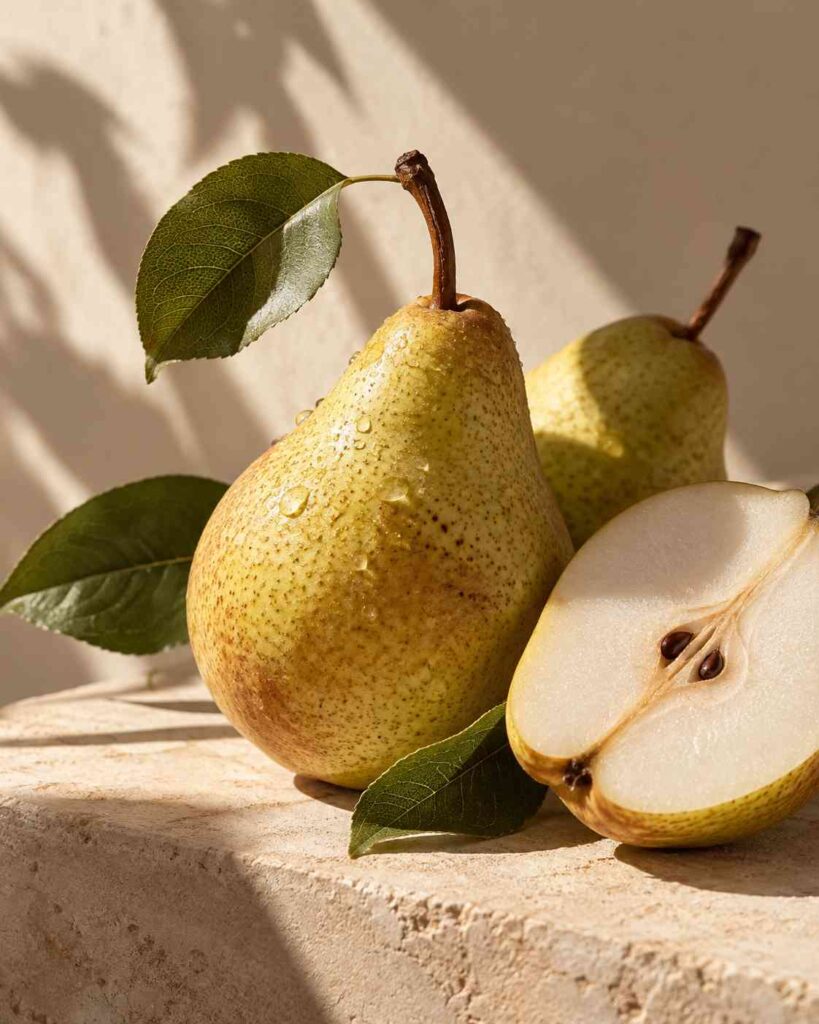
Fig, plum, apple, pear and blackcurrant berries can also bring the season to life through its fruits.
For example, mandarin top notes, a fig heart and a base of sandalwood or amberwood can create a fragrance that feels warm yet remains luminous.
This is an appealing direction if you are wondering what perfume to wear in autumn without choosing anything too powerful.
Would you like to explore these notes and find an accord that feels right for you? Discover them directly at the Studio des Fragrances perfume organ.
Create Your Own Autumn Perfume at the Studio des Fragrances
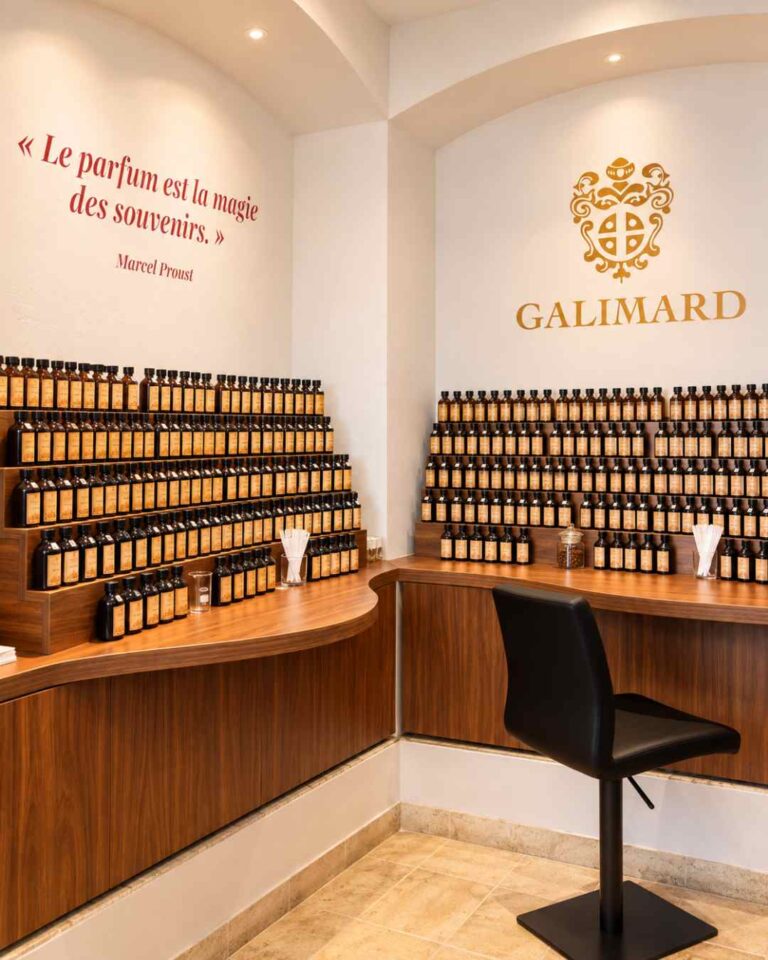
When you take your place at our perfume organ, we do not expect you to know the language of perfumery before you begin.
Our role is precisely to guide you through this discovery. Some materials are instantly appealing; others are surprising, or only reveal their full beauty when combined. A note you would never have thought of choosing may ultimately be the one that gives your formula its unique personality.
We also teach you how to think about a perfume’s structure: its opening, its heart, its depth and the overall balance of its trail.
How can you create your own perfume in Grasse? The experience is about turning your personal preferences into a true composition. Rather than simply seeking ‘a smell you like’, you build a structure that develops harmoniously over time.
This approach lies at the heart of our Studios des Fragrances in Grasse, Èze-Village and Paris.
Still unsure which experience best suits your wishes? Read our article on which perfume-making workshop to choose and find the experience that is right for you.
Do You Need to Know About Raw Materials to Create Your Own Perfume?
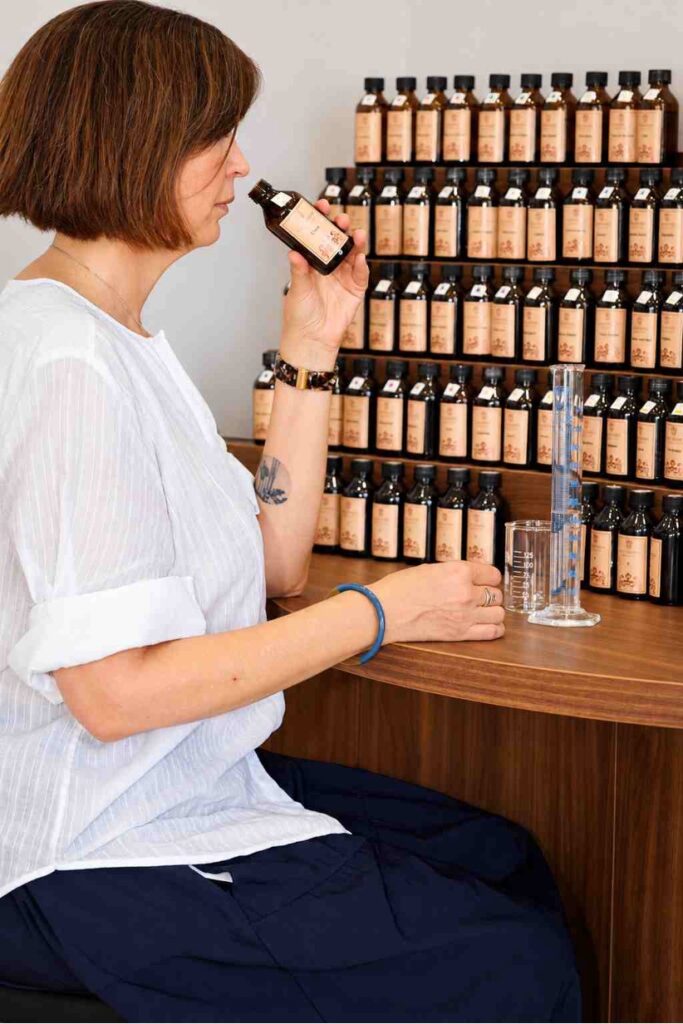
No, and that is precisely what makes the experience so rewarding.
You may arrive with a very clear idea: ‘I would like a woody perfume with a hint of vanilla and spice.’ But you can just as easily begin with a much more abstract feeling.
You might tell us about a forest after the rain, a crackling fireplace, a walk through Provence in late summer, a dessert made with dried fruits or simply a fragrance that is warm but not sweet.
We gradually translate these ideas into fragrance families and raw materials.
It is also a way to understand how a perfumer works. A composition is not only about recognising scents: it requires anticipating how the various ingredients will interact with one another.
If you are looking for an even more personalised experience,
Studio Workshop No. 1 allows you to compose your perfume freely, one-to-one with a dedicated perfumer’s assistant, in a completely private setting.
No previous knowledge of perfumery is required: simply bring your preferences, your memories or your curiosity, and we will guide you through the creative process.
Can You Create a Fresh Autumn Perfume?
Absolutely. One of the most common misconceptions is that an autumn perfume must be dark, spicy and very powerful.
On the contrary, freshness can make a composition far more interesting.
Bergamot or mandarin can brighten a woody accord. Cardamom brings a spicy freshness quite different from cinnamon. Vetiver can lend a dry, elegant feel, while certain musks provide softness without excessive sweetness.
A successful autumn perfume can therefore play with contrasts: fresh then warm, bright then enveloping, fruity then woody.
Woody, spicy, fresh, fruity or more enveloping: create your own interpretation of autumn from the notes available at our perfume organ.
How Can You Make an Autumn Perfume Last Longer?
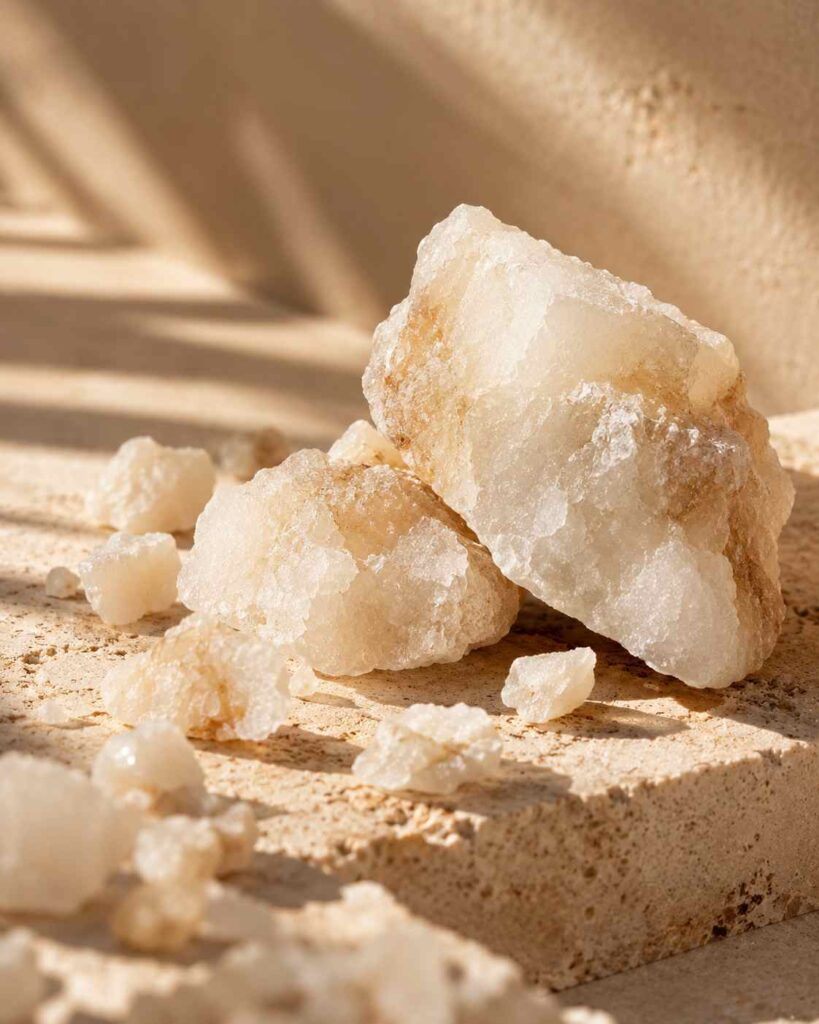
When creating a perfume, simply adding large amounts of powerful ingredients is not enough to produce a successful or long-lasting fragrance.
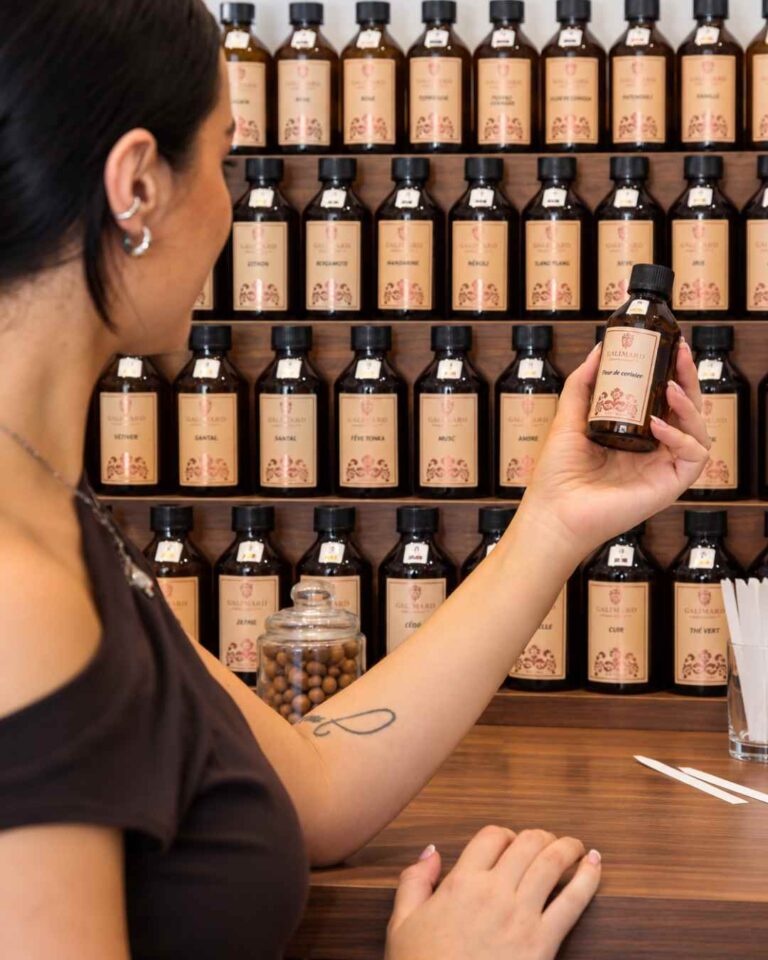
The structure of the base, however, plays an important role in longevity. Woods, musks, amber facets, patchouli, sandalwood, vetiver, tonka bean and certain resinous ingredients can all help create a deeper foundation.
Above all, though, we seek overall harmony.
A heavily loaded fragrance is not necessarily more elegant than a balanced formula. Quite the opposite: when one material overpowers all the others, it can mask the nuances we wanted to create.
Much of a perfumer’s expertise lies precisely in finding the right proportions.
A Seasonal Perfume, but Above All a Personal One
Autumn may be a starting point. It should never become a constraint.
Two people who both want to create a personalised autumn perfume may leave with completely different compositions.
One might choose cardamom, English tea, iris and sandalwood for a gentle, elegant perfume. Another might prefer pink pepper, fig, patchouli and woodland notes. A third may seek something more comforting, built around cinnamon, dried fruits, tonka bean and vanilla.
This is what makes perfume creation so personal: the materials may be the same, but the way they are chosen, combined and balanced transforms the result entirely.
At Galimard’s Studio des Fragrances, we like to think of the perfume organ as a palette. A painter works with colours; a perfumer works with scents, intensities and associations.
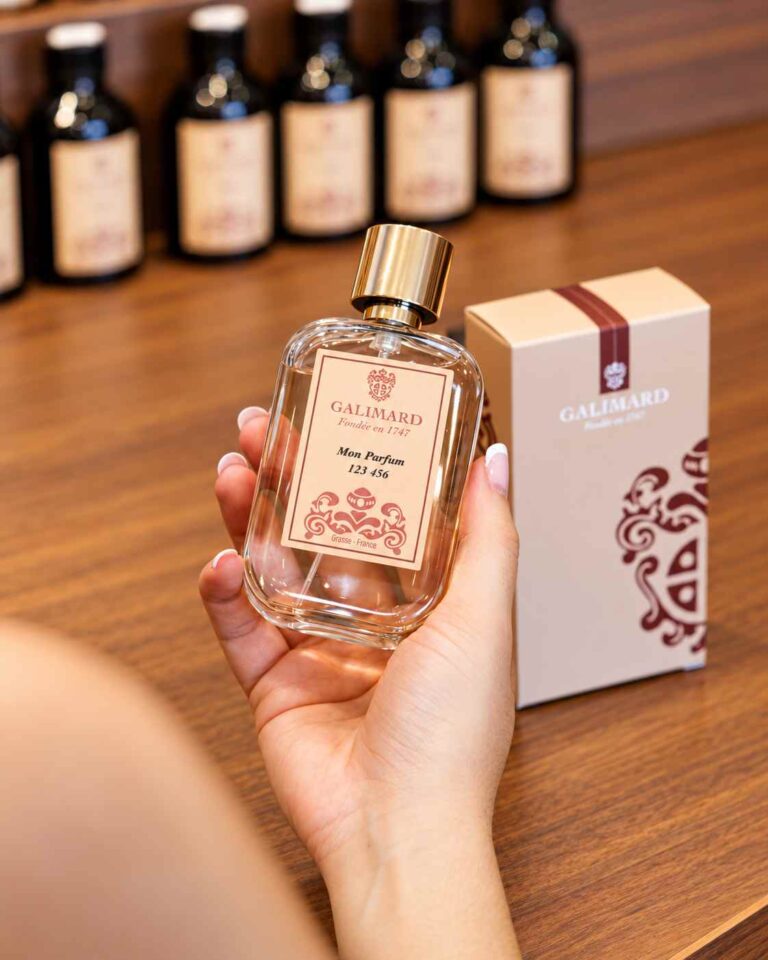
What if Your Next Autumn Perfume Were One You Imagined Yourself?
A fragrance can evoke a place, a season or a memory. It can also become a reminder of a special moment: discovering a raw material for the first time, hesitating between two accords, refining a formula and finally recognising the scent you had been looking for.
This autumn, rather than simply asking yourself which perfume to wear, we invite you to turn the question around: what kind of autumn would you like to express?
Spicy and comforting, with cinnamon, cardamom and tonka bean? Woody, with sandalwood, vetiver and woodland notes? Fruity, with fig or plum? More enveloping, with vanilla, dried fruits and amber facets?
See also
School trip to Grasse or Èze-Village: an educational visit at the heart of olfactory heritage
Written on 11 September 2026
Organising a school trip to Grasse or an educational outing in Èze-Village focused on olfactory heritage offers a class far more than a visit: it invites pupils into the living […]
The Galimard Studio des Fragrances celebrates 30 years in Grasse
Written on 11 July 2026
In 2026, our House of Perfume celebrates a special anniversary: that of an unmissable place in Grasse, the world capital of perfume. The Galimard Studio des Fragrances, our iconic bespoke fragrance-creation workshop, […]

Why can’t we smell our own fragrance after a few minutes ?
Written on 21 June 2026
You just applied your favorite fragrance. In the first few minutes, the scent envelops you, transports you, boosts your mood. However, progressively as time goes on, the scent seems to […]
